Joby's August letter targeted first passengers in 2026. The November letter gives no year, and ties the passenger step to FAA testing it expects to start in 2027.
On August 5, Joby Aviation told shareholders it would “continue to target carrying our first passengers in 2026.”2 On November 4, 91 days later, the next letter had no year in it. The nearest it comes is the closing line of the CEO’s note, which says the work is “bringing us closer to the day we can welcome our first passengers on board.”1
The reason is probably on page 7. The FAA has indicated, the letter says, that carrying passengers under its eVTOL Integration Pilot Program (eIPP) requires companies to be in substantial Type Inspection Authorization (TIA) testing. Joby’s own calendar puts the start of that testing in 2027.1 Those two statements leave very little room for a passenger in 2026. That is an inference from the letter, not a statement in it, and the company has not said it has abandoned the year.
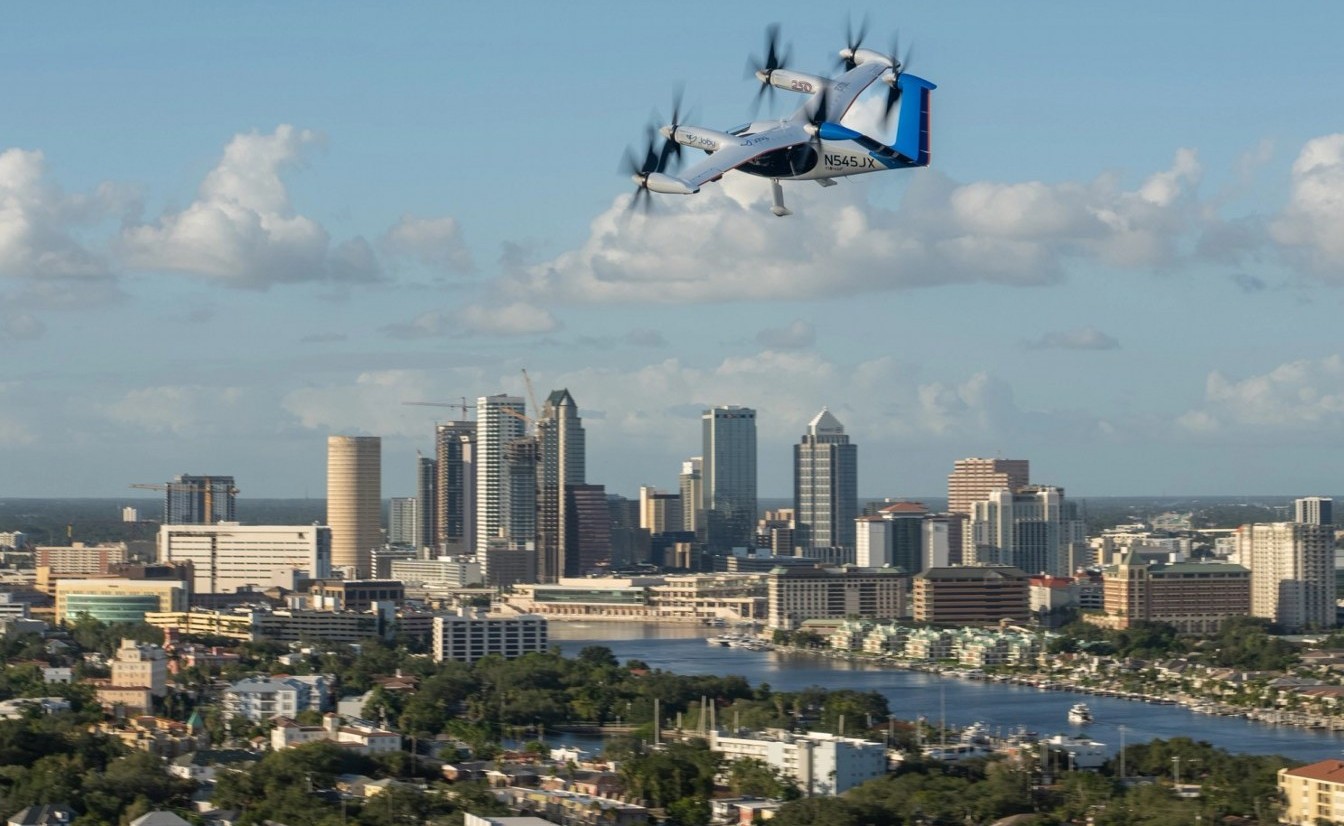
The gate concerns the stage of testing, not the existence of flights. Joby already has eIPP flights behind it, in Texas beginning in September and in Florida over Tampa and Orlando. The August letter expected the first of them in September, and the schedule held.2 Under the program, flights are meant to progress from pilot-only, to non-paying passengers, to paying ones as certification advances, the same ladder the August letter described. The November letter puts no date on any rung, and it ties the step that adds a passenger to testing that has not yet begun.1
Conformity is the word to watch. A certification test says something only if the aircraft matches its design drawings. The August letter said Joby had five aircraft flying, including its first FAA-conforming one.2 The November letter does not use the word. It reports test work and FAA approvals instead.1
What it reports as finished is component work. Joby completed for-credit tests with the FAA on parts such as the fuselage and the tilt actuators, and the FAA approved test reports on the inboard nacelle, landing gear and tail tip nacelle beam. The letter’s chart of Joby’s five certification stages shows the first three complete: certification basis, means of compliance and certification plans. Testing & Analysis and Show & Verify remain.1
The letter says on pages 3 and 7 that the company continues to lay the groundwork for TIA flight testing to begin. The forward-looking statements on page 23 then say it plans to begin that testing next year. FAA pilot training and Joby’s own flight testing of the relevant aircraft are expected in the first half of 2027. Page 3 also reports that the company recently powered on the first aircraft designated for passenger testing, and that the CEO plans to fly it and report on the next results call. That page is also the one that ends with the line about welcoming first passengers.1
The same letter that left out the passenger year updated the financial forecast. Joby now expects 2026 revenue of $135 million to $140 million, up from $115 million to $125 million in August. It reports $2.2 billion in cash at September 30, including about $128 million raised through at-the-market stock sales.1 In other words, the company was willing to put a firmer number on the year’s finances and chose not to repeat the one for its passengers.
The one date the letter gives for the testing that gates the passenger step is the first half of 2027.1
Sources
Every factual claim in this piece traces to one of these public documents.
See an error? Tell us and we will fix it and note the change on the page.
Send a correction